I’d like to acknowledge the generous assistance of Jan Naidu, Josh Carlisle, Linda Christianson, Loretta Draths and Laurie MacGregor in creating this web site. Jan (my most long-term student) originally suggested a revamp of my old long neglected site, and then donated the services of a remote web developer and graphic artist to see it through the initial stages. Josh, a local web developer, was admirably easy to work with in handling the technical details of the site’s final implementation. The “three Ls ,” Linda, Loretta and Laurie are artisans who attend my weekly Buddha’s Book Club, whose aesthetic advice was invaluable for producing the current appearance of the site. Loretta, in particular, tweaked and finished the “Austin Shwezigon” Buddha images found throughout these pages.
The Austin Shwezigon collection
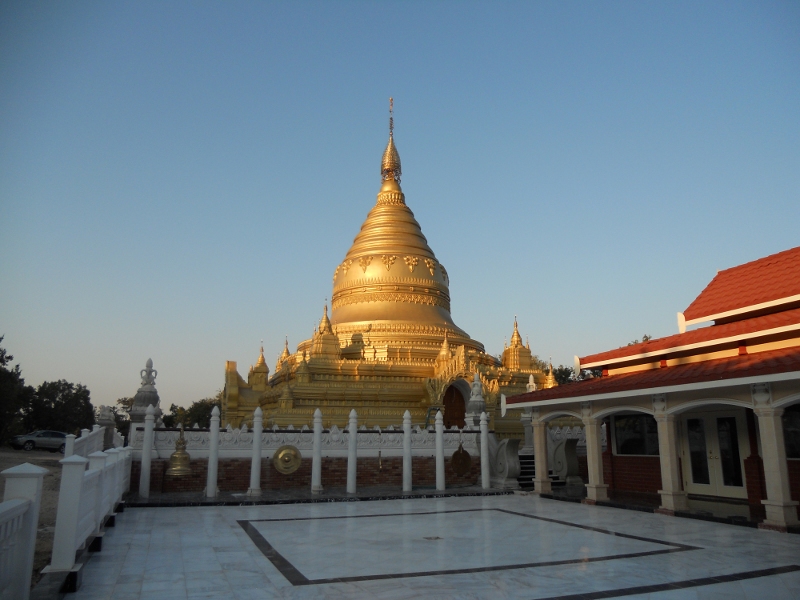
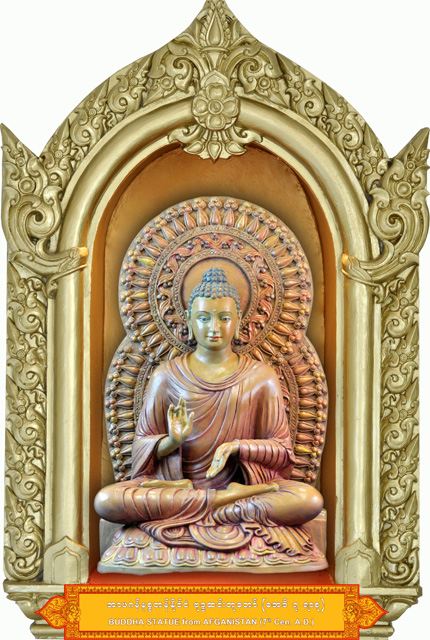
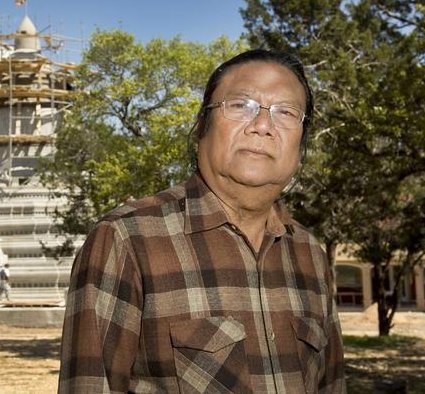
Shwezigon pagoda in Myanmar is a majestic structure whose construction was begun by the Burmese King Anuruddha in the ancient city of Bagan, and was completed in in the year 1102. A replica of the Shwezigon Pagoda stands in Austin, Texas. It is a close one-third-scaled replica of the original, 56 feet wide and 54 feet high. It was constructed at the Sitagu Buddha Vihāra, a monastery in Austin, Texas, and was completed in 2012. The replica was designed by renowned Burmese traditional architect Tampawaddy U Win Maung, who traveled to Austin and lived there for several months, along with several skilled craftsmen, to oversee the construction. Unlike the original, the Austin pagoda has an interior space, used for meditation, ceremonies, and ordinations. Along the south, west and north interior walls of this space are found a set of twenty-four statues of the Buddha, set into niches, each two feet high.
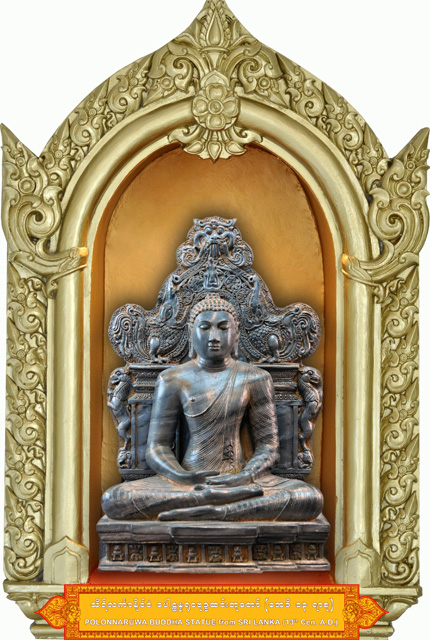
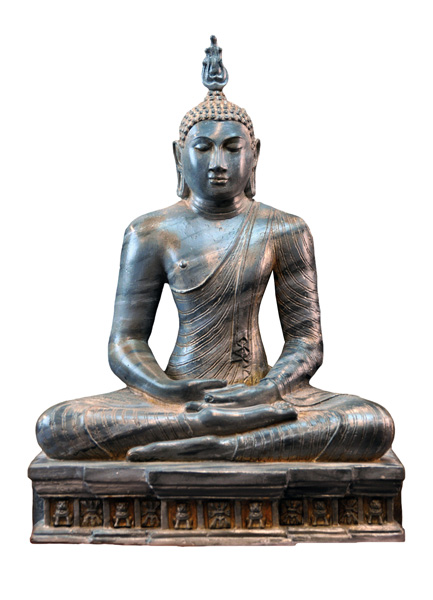
These statues were carefully hand-crafted during 2011 under the close supervision of U Win Maung and his team. They are replicas of statues from different places and eras in which Buddhism has taken root and flourished. The earliest original statue dates back to the 1st century B.C. Mathura civilization in Northern India and the latest Padumacivara statue to the 18th century A.D. Amarapura civilization in Burma – literally spanning over 2,000 years of civilization encompassing India, Sri Lanka, Nepal, Tibet, Afghanistan, Pakistan, Bangladesh, China, Korea, Japan, Burma, Thailand, Cambodia, Laos, Indonesia and Vietnam. The entire collection of these rare statues can all be viewed in one place, making the Austin Shwezigon Pagoda effectively a museum of ancient Buddhist civilization.
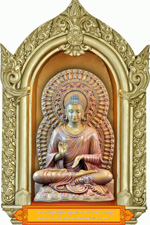
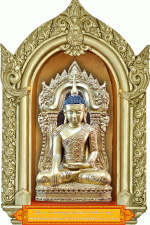
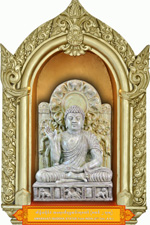
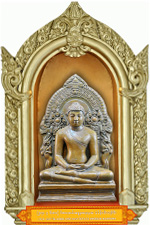
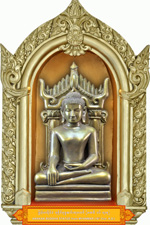
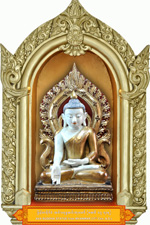
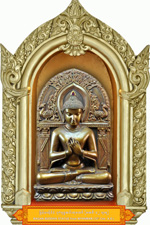
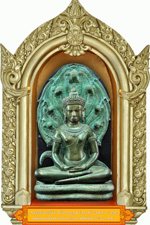
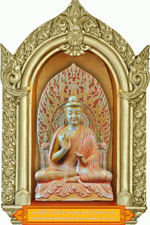
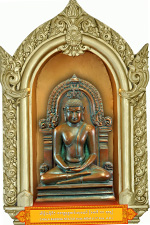
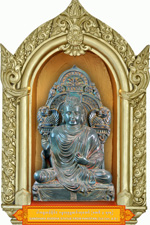
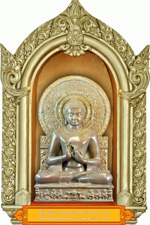
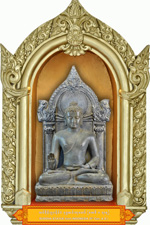
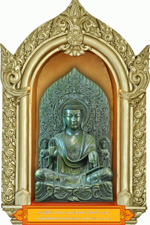
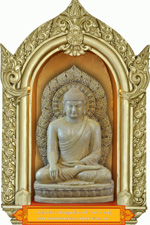
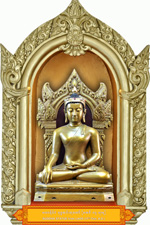
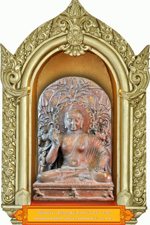
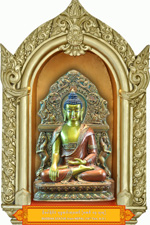
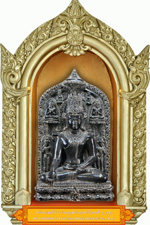
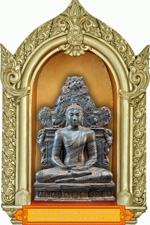
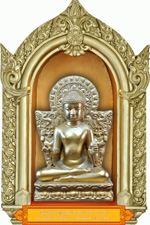
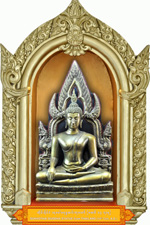
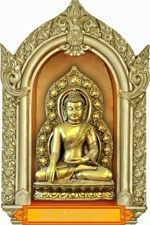
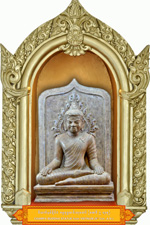
I was fortunate to be living at the monastery in 2011 in a little 8′ x 10′ cabin in the middle of a construction site. I often peaked into the workshop we had constructed for such projects to see the statues in various stages of completion, and was amazed at what was going on. I happened to know a fine arts professor at UT who checked out requested books for us in her name, books with large high-resolution photos of original statues. Contrary to expectation and fear, they were returned without clay prints.
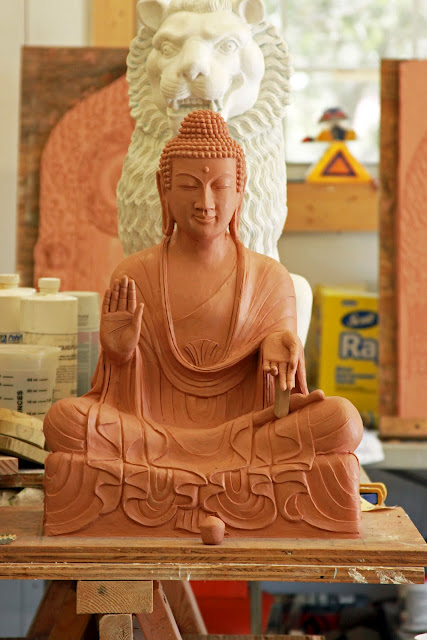
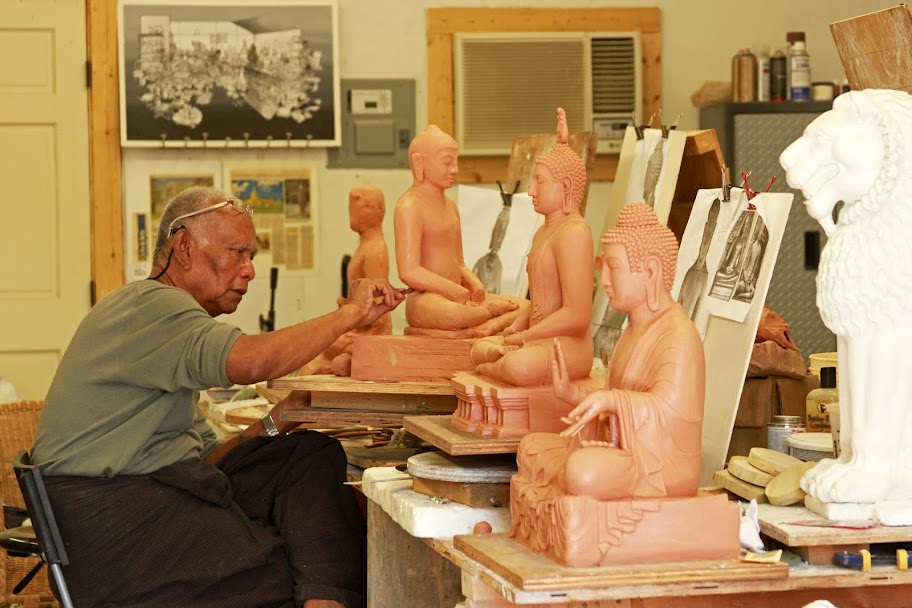
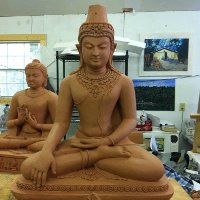
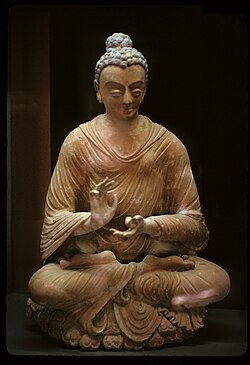
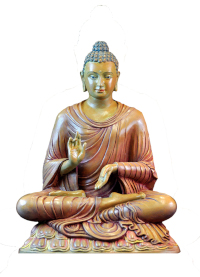
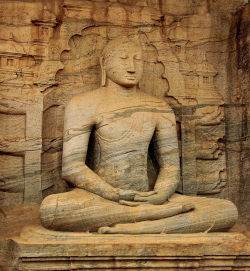
Below are the life cycles of our Fondukistan and Polonnaruwa images. Notice that the artisans took some liberties in replicating the originals. The images appearing on cintita.org were digitally extracted from professional photographs of the replicas that reside at the Austin monastery.